Planning Office
We are Landskate, a planning office with roots in skatepark design. Our work stems from a culture that stands for self-determined outdoor activity: creative, social, and accessible. For us, a skatepark is more than just a sports facility. It is a meeting place, a stage, and a learning space all at once. This combination of cultural understanding and planning precision shapes our work.
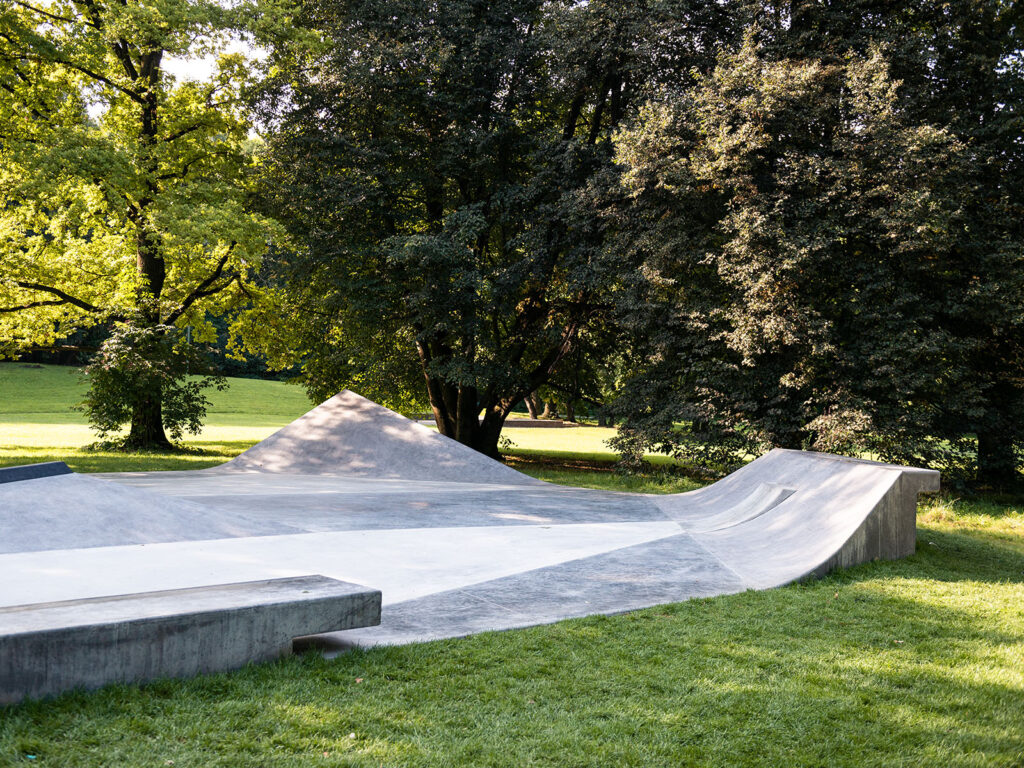
For us, skateparks are a challenging and authentic testing ground for flow, safety aspects, materiality, and quality of stay. Based on this understanding, we now design urban sports parks and exercise spaces in green areas. The result is open spaces that combine movement, encounter, and landscape and make them tangible.
From the initial idea to implementation, we accompany projects in a structured, solution-oriented manner and with attention to detail. This results in facilities that are durable, function in everyday life, and can be used creatively on a long-term basis.
Services
Our services cover a wide range of types and scales—from individual facilities to overarching open space concepts. In addition to technical planning and implementation in accordance with HOAI 1-9, we develop concepts and master plans, conduct feasibility studies, and participate in competitions.
Individual Parks
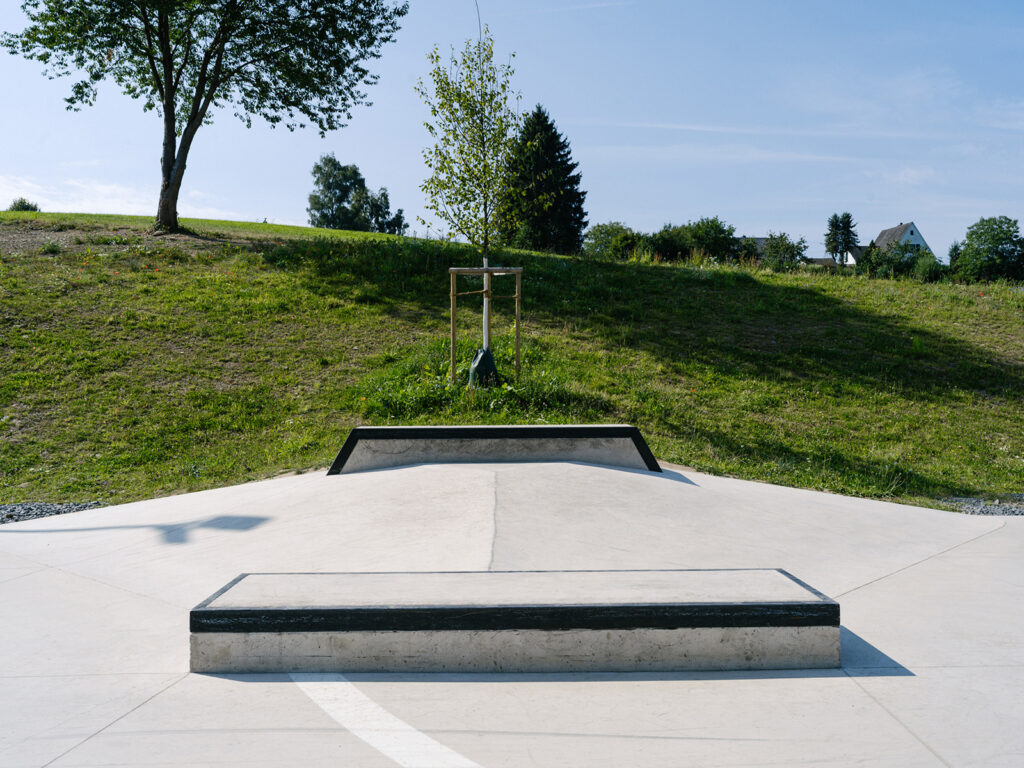
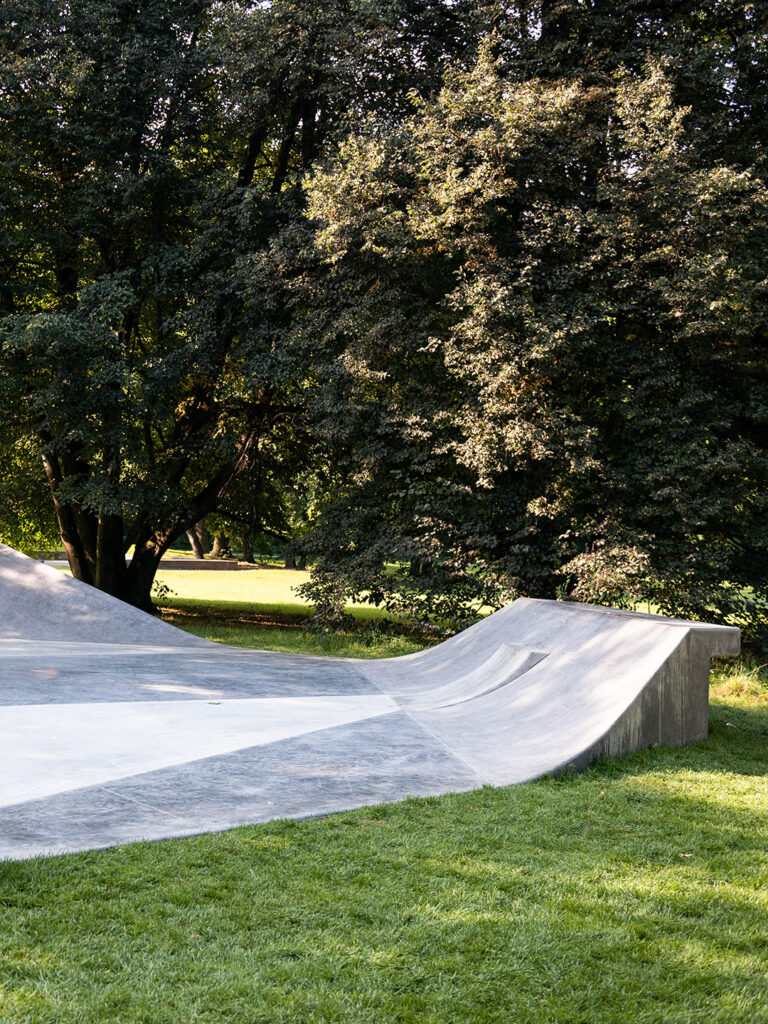
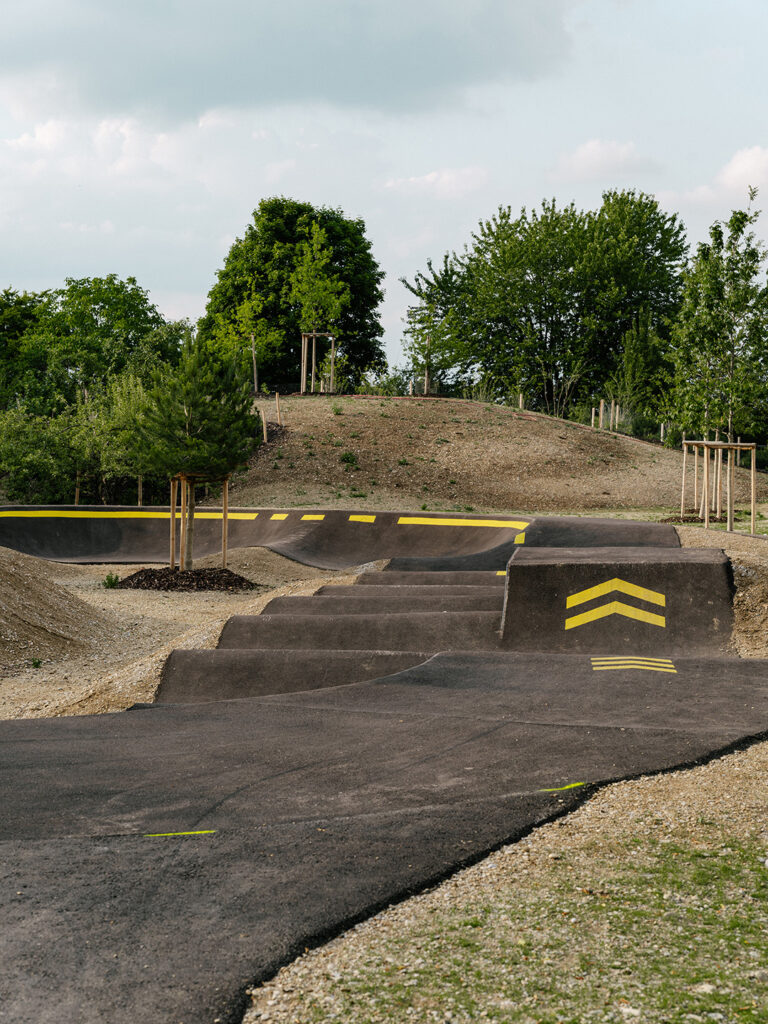
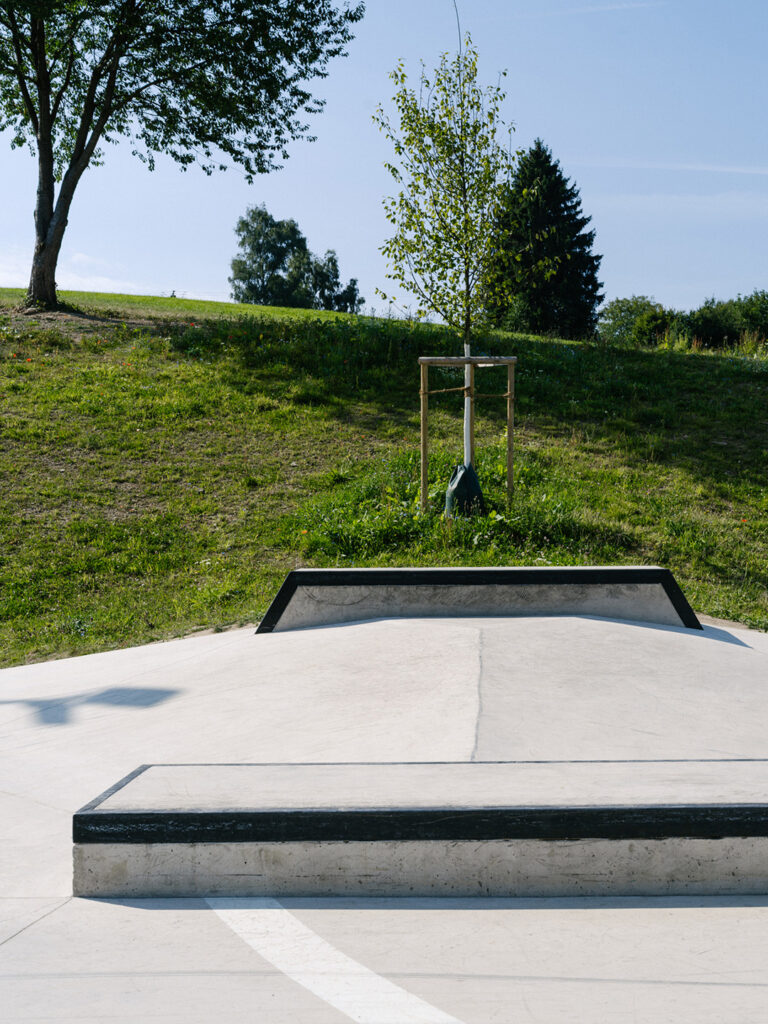
Whether it’s a skate park, pump track, or dirt track, parkour and calisthenics, multi-court, or streetball: we design individual facilities with an understanding of the scene, clear usage logic, and high design quality, built to be robust and designed for long-term use.
Urban Sports Parks
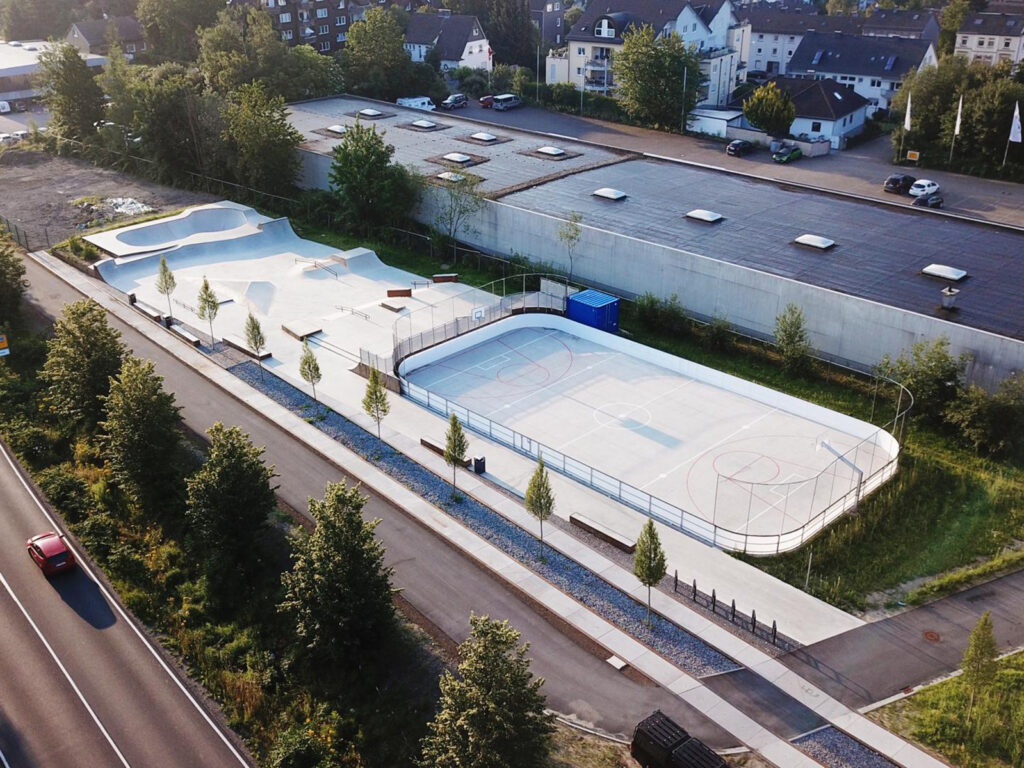
Combination of two or more types of facilities into a coherent overall concept. Planned as a connected area for informal, self-organized use with open sightlines and shared recreational quality.
Green- and open space concepts
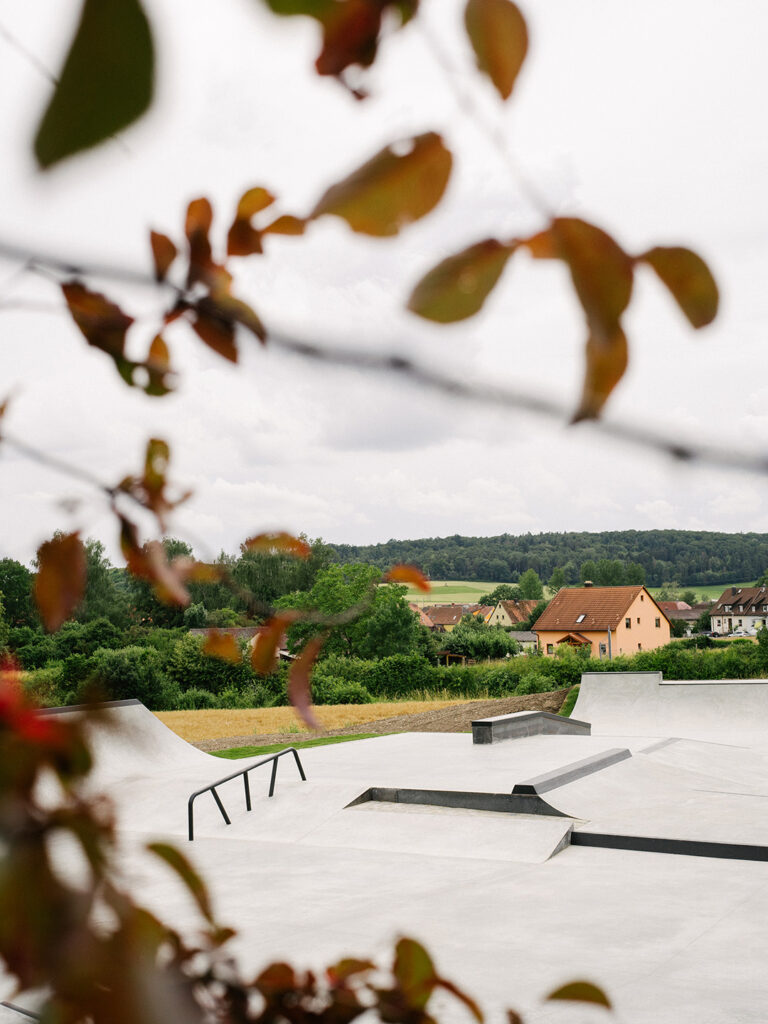
Park and neighborhood spaces where exercise, recreation, and social interaction are designed to go hand in hand – integrated into green spaces and with a clear design identity.
Planning Principals
We plan based on usage and take location and landscape into account from the outset. It is crucial that facilities are accepted by users, can be used creatively in everyday life, and can be operated in the long term.
Our four planning principles form the basis of every planning process. They ensure structural and design quality and give the process a clear direction from the initial idea to implementation.
Inspiring & Identity-building
We design distinctive spaces that encourage movement. Each facility is unique – functionally precise, clearly designed, and built to last.
Socially open & multi-sport capable
Our movement spaces are freely accessible and designed for a wide range of users – with safe entry, clear progression, and space for different levels.
Ecological & resource-conscious
We plan with climate awareness throughout the entire life cycle: reduced sealing, permeable surfaces, integration of existing vegetation, and durable construction methods. We see green spaces as movement-friendly living spaces – not as residual areas.
Participatory, with ownership and security
Genuine participation leads to facilities that are accepted because they were developed jointly. This creates identification, responsibility, and social security in everyday life.
Team
Our team combines landscape architecture, architecture, civil engineering, technical expertise, and design – supplemented by long-time skateboarders and urban sports athletes. This practical approach forms the basis of our planning: we understand movement patterns, safety zones, and the social dynamics of public facilities – and translate them into open spaces that work because they are used.
Jonathan Wronn
Managing Director
Dr. Veith Kilberth
Managing Director
Daniel Schreitmüller
Design Director
Daniel Rüth
Landscape Architect (AKNW)
Ulf Glänzer
Landscape Architect (BYAK)
Tobias Zwickler
Landscape Architect (AKNW)
Eduardo Natário
Architect (CAU, Brasil)
Fabio Lanfer
Architect / Urban Planner (CAU, Brasil)
Felix Schubert
Landscape Architect (B.Eng)
Lennart Eickhoff
Creative Planner